Fighting AIDS Essay: Fighting HIV/AIDS

It is important to hire professional essay writers for your essay on Fighting AIDS. Professional writers know how to capture the essence of the topic and present it in a way that will be both informative and engaging. Additionally, they have access to resources and research that you may not have, making them the best choice for this type of project.

When it comes to fighting AIDS, there are many different approaches that can be taken. However, one of the most important things that must be done is to educate people about the disease and how it can be prevented. Additionally, it is important to provide support for those who are already infected with HIV/AIDS. There are many organizations and individuals working to fight AIDS all over the world, and their efforts are making a difference.

If you are interested in writing an essay on Fighting AIDS, there are a few things that you should keep in mind. First of all, it is important to make sure that your essay is well researched. You will need to have access to reliable sources of information so that you can provide accurate information in your essay. Additionally, you will want to make sure that your essay is interesting and engaging. Otherwise, it will not be very effective in terms of educating people about AIDS.

When it comes to writing an essay on Fighting AIDS, there are a few different formats that you can choose from. You can either write a short essay or a longer research paper. If you are interested in writing a shorter essay, you may want to consider using an outline format. This will allow you to focus on the most important points that you want to make without having to worry about including too much detail.

This Is A Complete Guide To Writing An AIDS Essay

When it comes to writing an AIDS essay, it’s important to make sure that you have all the information you need. This guide provides everything you need to know in order to create a top-quality essay. If you’re looking for extra help, be sure to hire a professional essay writer. They can help you get the grade you deserve.

Essay Outline How You Can Help Fight AIDS.

AIDS is one of the most deadly diseases in the world. It has killed millions of people and continues to kill more each year. There is no known cure for AIDS, but there are ways that you can help fight the disease. One way you can help is by hiring professional essay writers to write essays about the disease. Professional essay writers know how to communicate complex information in an easy-to-understand way, and they can help educate others about AIDS and how to fight it. Hiring a professional essay writer is a great way to make a difference in the fight against AIDS.

Another way you can help fight AIDS is by donating money to organizations that are working to find a cure for the disease. There are many organizations that are dedicated to finding a cure for AIDS, and they need all the financial support they can get. Donating money to these organizations is a great way to help them achieve their goals.

You can also help fight AIDS by volunteering your time to help those who are affected by the disease. There are many ways you can volunteer your time to help others, such as working in a hospice or visiting patients in the hospital. Volunteering your time is a great way to make a difference in the lives of those who are affected by AIDS.

The Dangers Of HIV/AIDS And Why Prevention Works Better Than Treatment

HIV/AIDS is a dangerous and deadly virus that can easily be prevented through safe sex practices and being aware of the risks. However, many people choose to ignore the dangers and instead focus on the treatment options available if they do become infected. While treatment is important, it is much better to prevent infection in the first place. This is because treatment options are not always available or effective, and they can be very expensive. Prevention, on the other hand, is free and easy to do.
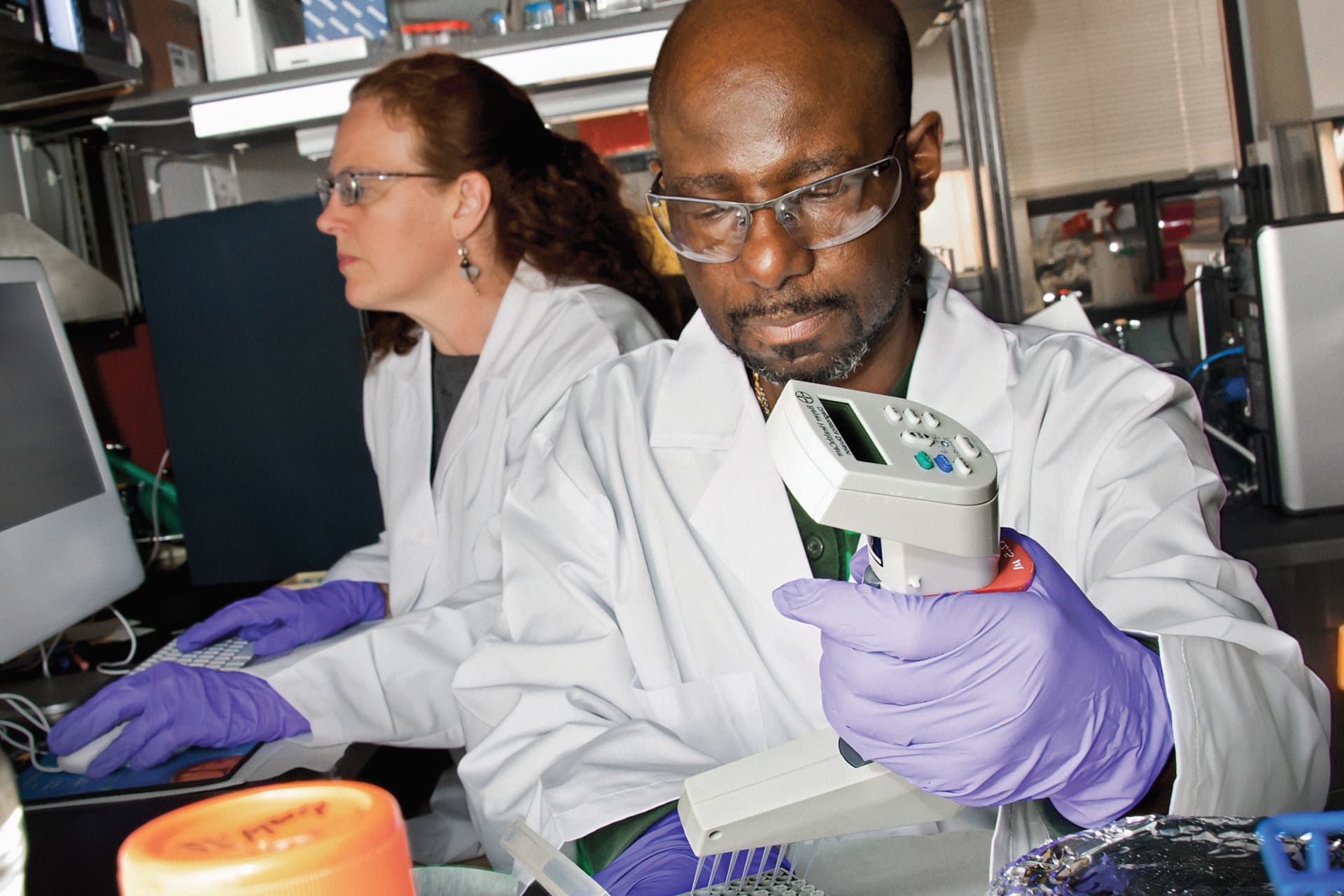
People with HIV: Treatment Approaches

In 1982, the median survival time after diagnosis was only 6 months, but today people with HIV can have normal lifespans if they remain on ART. However, because it cannot eliminate latently infected cells that harbor the integrated provirus and because it is expensive and must be taken indefinitely, ART is considered only a long-term treatment and not a remedy for HIV. Еhere already exists today several new approaches to target latently infected cells.

Challenges We Face

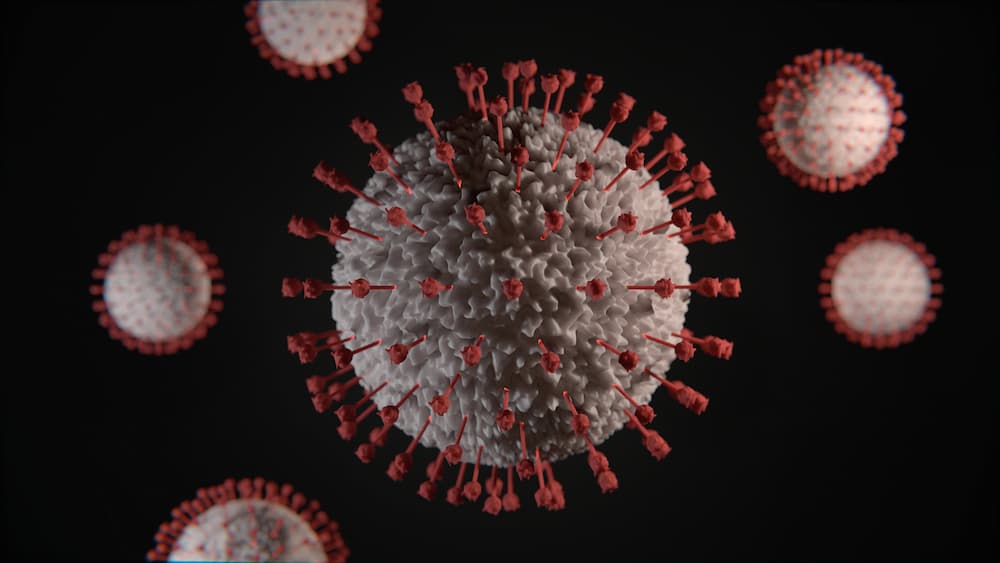
HIV is a retrovirus. This means that it uses reverse transcription to convert RNA into DNA. HIV is a single-stranded RNA virus, which means that it can only replicate within the nucleus of a host cell, where two strands of DNA are present. It does not use mitosis and meiosis to reproduce; instead, its reproduction involves an enzyme called reverse transcriptase (hence its name). Reverse transcriptase converts viral RNA into double-stranded DNA in order for cells to become infected with HIV. The virus periodically wakes the cells up and replicates, reinserts its viral genes into the host genome, then returns them to rest again after completing each phase of this process.

HIV remains a significant challenge 20 years after its successful treatment, largely because it lies hidden in resting CD4+ T-cells. The virus is difficult to treat, because it lies hidden in resting CD4+ T-cells, which are immune cells that have stopped replicating and are no longer visible to the body’s immune system. When these cells become active again (for example when a person receives an infection), they can reactivate the virus and start spreading it again.

The only way to get rid of HIV is to get rid of all infected cells — and this is something that researchers have been working on for decades. One approach has been focused on preventing new infections by creating a vaccine; another has been looking at how we can find ways of selectively eliminating infected cells from people who already have HIV. 

Gene Therapies: a Way to Flush Dormant Viruses out of Hiding

Gene therapy is a treatment that uses genes to treat disease. It’s been used since the 1990s, but until recently it has only been used as a last resort for treating cancer or other diseases with few other options. Gene therapies can be used in several ways:

  • Replacing defective genes with healthy ones (to make up for a missing enzyme, say)
  • Blocking genes from producing harmful proteins (to reduce the symptoms of an autoimmune disorder)
  • Adding new protein-coding machinery for cell growth and repair (instead of relying on its own genetic material to make proteins)

The current treatment for HIV involves a cocktail of drugs. One drug acts as an entry inhibitor, preventing the virus from entering CD4+ T-cells and replicating. Another drug acts as an integrase inhibitor, stopping HIV’s ability to insert its viral genes into the host genome. However, these therapies are only effective if they can access all of the dormant cells where HIV hides. This is difficult because of how often they must be taken and some genetic resistance among patients who have been on them for years or even decades. The team has engineered a gene therapy that uses HIV’s own genes to wake the virus up and allow drug therapies to extinguish it

LMBR1

A new approach is to block its inhibition of interferon expression via a cellular enzyme called LMBR1. Interferon is a cellular signaling molecule that helps the body respond to viral infections. HIV-1 infects cells by binding to them, then fusing with the cell membrane and infecting it with its own RNA and proteins. Once inside, these invaders hijack the host cell’s machinery for their own purposes.

LMBR1 (aka “LMP2A”) is an enzyme that inhibits interferon expression in response to intracellular viruses such as HIV-1 or hepatitis C virus (HCV). LMBR1 inhibits interferon expression by promoting degradation of two interferon regulatory factors (IRF3 and IRF7), which regulate antiviral responses at different steps in the pathway from gene transcription through translation into protein synthesis.”

IAP Inhibitors

IAP inhibitors can be administered with HAART, and theoretically they could kill all the cells harboring latent HIV genomes. But that’s not something to count on. IAP inhibitors are not currently approved for use in humans and have only been tested as a combination therapy with antiretrovirals to treat established HIV infection (not just latent infection).

In addition to these approaches, researchers are also exploring how to target latently infected cells. The most promising new approach is ‘kick and kill’, which targets and then destroys the infected cells.

A recent study showed that when an enzyme called HDAC inhibitor was given to mice, it could reactivate the virus in their bodies. Another option is LRAs (latency reversing agents), which make it harder for the virus to enter latency by interfering with its ability to replicate itself inside the cell; this was shown in a 2018 study using vorinostat (a histone deacetylase inhibitor) on human blood samples from both HIV-positive individuals and people who have been cured of AIDS after receiving antiretroviral drugs. This drug could be used as part of an investigational drug protocol for those infected with HIV or AIDS alike!

Bottom Line

With new advances in treatment, it is likely that HIV will not be a major public health threat by 2022. If you are infected, your best bet for improving your life expectancy and remaining healthy is to start antiretroviral therapy as soon as possible after diagnosis.

These 3 Companies Are Fighting AIDS, And You Probably Didn’t Know

This post is about a group of college students from FACEAIDS who took on the task of studying what companies fight against AIDS. What they found was that many companies donating money were not the ones that they expected to find. Another thing they found surprising was how many large and recognizable charities did not provide enough transparency about their work, nor do they share information on how much money goes to charity versus other areas like salaries or overhead costs.

Casinos: Online & Offline

Casinos are known for their luxury and wealth, but did you know some of them also help people with AIDS? They donate to charities, hire people with disabilities and/or help raise awareness about the disease. Here are a few examples:

  • Bonza Spins: the Australian top-rated gambling portal donates annually to AIDS charities. You can find out more about them by visiting Bonza Spins website.
  • The Imperial Palace Casino (Las Vegas): This land-based gambling venue regularly donates $50K annually to AIDS charities through its charity arm called IMPAC. This organization was started in 1987 by Frank Fertitta Jr., the current president of Station Casinos Inc., who wanted the company’s charitable efforts to focus on helping those suffering from HIV/AIDS. Since then it has become one of the most generous donors among Nevada casinos. In addition to this monetary donation, IMPAC hosts events such as an annual AIDS Walk & Fun Run each March in support of HIV/AIDS research programs at UNLV; these events have raised over $1 million since they began 26 years ago! Turning Stone Casino (Verona): When Turning Stone opened its doors in 1993 — the first year there were no major casinos outside Las Vegas. 

Are Fashion Companies Fighting AIDS?

Fashion companies that donate to charities: Many fashion companies donate clothes, money and even the proceeds of sales to fight against AIDS.

Fashion companies that sell products to raise money: Some fashion brands sell special pieces in order to raise funds for charity organizations fighting against AIDS. For example, one of the most popular brands sells a limited edition t-shirt and donates some of its profits to an organization fighting against AIDS in Africa. 

The company also encourages customers to donate directly on their website if they want to support the cause but cannot afford buying one of these shirts or accessories with a higher price tag than what is usually found on their website’s main page!

Fashion companies that donate clothes: There are many ways in which you can give back by simply donating some old clothes lying around your closet! Fashion companies often organize drives where they collect all kinds of garments from individuals who want them recycled into new items like dresses made out of fabrics containing different materials such as cotton or polyester blends (which means having both fabrics incorporated into one). 

Sometimes these donations come back as new items sold at lower prices but at other times they may be reused as swatches used by tailors working in upscale boutiques across Europe who specialize in making custom suits tailored specifically for people with needs such as those who suffer from chronic conditions like diabetes while also being extremely active members within society.

Celebrity Organizations That Are against AIDS

Celebrities who fight against AIDS:

  • Elton John
  • Bono
  • Celine Dion
  • Sharon Stone
  • George Clooney
  • Bill Clinton (and Hilary)
  • Kevin Spacey & Angelina Jolie (they both help children, but they also do something else) 
  • Jack Nicholson & Brad Pitt Michael Jordan Vivienne Westwood

What Does AIDS Stand for?

AIDS, or the Acquired Immune Deficiency Syndrome, is a disease that affects the body’s immune system. The immune system is responsible for protecting our bodies from harmful diseases and infections. If your immune system doesn’t work properly, you can get sick easily and develop life-threatening illnesses like cancer and HIV/AIDS. 

The immune system works by producing antibodies to fight against germs (microbes) that enter the body through food we eat or air we breathe in order to protect us from getting sick. When someone has AIDS, their body has difficulty fighting off germs because their immune system has been damaged by a virus called human immunodeficiency virus (HIV), which causes AIDS when it infects healthy cells in your bloodstream. 

When this happens, they are unable to produce enough antibodies needed to fight off infections since they lack enough healthy blood cells which are called T helper cells (or CD4). These T helper cells help create antibodies so if there aren’t enough circulating around your bloodstream then you’ll be more susceptible to catching viruses like influenza or pneumonia!

A Memorable Approach to the Global Eradication of AIDS

Preventing and treating HIV infection is extremely important. It can have serious consequences for a person’s health, which is why workers in this field are always on the lookout for new developments. Above all, it is necessary to prevent infection: everyone must be screened regularly and treated as needed.

How to start the fastest way to create a revolutionary research project on HIV/AIDS in Africa

HIV/AIDS research is a global problem. But it remains a real and pressing problem. This means that the remnants of the epidemic will never be eradicated. That is why the fight against HIV/AIDS in all its forms continues in Africa, Asia, and Latin America. The design of this groundbreaking research project will take into account the views of all stakeholders: In Africa, for example, funding agencies that want to participate will need more information about which areas of research are most in demand and in which areas innovation is possible; Asia needs a comprehensive assessment of how best to meet local needs, figuring out which markets will produce which products first; Latin America needs analysis of

What are the most overlooked areas of research?

There are many areas of research that have not yet been studied in terms of their impact on the global epidemic. These areas include: – Pregnancy management When a woman decides to get pregnant, there are many factors to consider. These factors include: the possibility of the fetus developing brain and spinal cord defects; the possibility of preterm birth due to complications during delivery; and prenatal screening to detect problems.

How can we get to zero HIV/AIDS by 2030?

According to the International AIDS Conference, the issue is very urgent, and significant progress must be made toward achieving zero HIV/AIDS by 2030. In this section, we’re going to talk about that. That’s why we need AI writers, as well as a few content writers on different topics. So our team selected 3 writers who can write and generate content for different topics.

How to protect yourself from HIV by knowing the truth!

The number of HIV cases is growing and needs to be stopped. Getting information about HIV/AIDS can reduce your risk of getting it, so you can reduce your risk by living a healthy lifestyle and avoiding new diseases. HIV infections are on the rise and need to be stopped. Getting information about HIV/AIDS can reduce your risk of getting it, so you can lower your risk by adhering to a healthy lifestyle and avoiding new diseases. High Blood Pressure: In both men and women, high blood pressure increases the chances of having a high blood pressure attack called hypertension. High blood pressure causes heart and kidney problems and is one of the leading causes of death in the world today. In both men and women, high blood pressure increases the likelihood of a high blood pressure attack called hypertension.

The most dangerous infections in the history of mankind. Part 2

Plague

Plague (or plague disease) is an infectious disease whose causative agent is the bacterium plague bacillus (lat. Yersinia Pestis; discovered in 1894), which occurs on small animals (rodents) and the parasites that live on them – fleas. It is transmitted to humans through the bite of infected fleas, by direct contact with infected materials, or by airborne droplets from a diseased person. The incubation period is 3-7 days, then typical flu symptoms develop: sudden fever, chills, headache and body aches, as well as weakness, nausea and vomiting. There are three forms of plague. In bubonic, the most common form, the plague bacillus attacks the lymphatic system. As a result, the lymph node becomes hard and a bubo appears on the body. In the later stage of the disease, the inflamed lymph nodes turn into festering wounds. In the septic form, the infection penetrates through cracks in the skin and enters the bloodstream immediately. Pulmonary plague, the most severe and least common form, is accompanied by respiratory damage. Untreated, the disease can lead to severe complications and death (mortality, 30%-60%). In the fight against plague, antibiotic treatment is effective, as well as supportive therapy. Untreated, the disease can be fatal in a short time.

The first information about the disease with similar symptoms dates back to the days of ancient Rome. However, it is thought to have spread in earlier times in what is now Libya, Syria and Egypt. In the past, plague caused widespread pandemics. In the 14th century, one form of plague, better known as the “Black Death,” according to some estimates, killed 50 million people. According to the World Health Organization (WHO), between 2010 and 2015 there were 3,248 cases of various forms of plague, and 584 people died of the disease.

Smallpox

Smallpox is caused by the variola virus (lat. Variola). It is transmitted by airborne droplets, as well as through items with which the infected person had contact. Incubation period is 7-17 days. The disease begins with a rapid rise in temperature, headache, often nausea and vomiting. Fever subsides in 2-3 days, and nodular-bubbly rash appears on the skin and mucous membranes, leaving scars (pockmarks). In 30% of cases lethal outcome is observed, in rare forms (confluent, hemorrhagic, purpura) mortality reaches 70% and higher.

Until recently it was believed that smallpox appeared in Africa or Asia in the 4th millennium BC. However, today scientists suggest that the human virus is close to the camelpox virus and passed to humans in the Middle Eastern region at the beginning of our era. The smallpox epidemic first swept through China in the 4th century and struck Korea in the 6th century. In the VIII century the disease was brought to Europe. In the XVII-XVIII centuries all Europeans were affected by smallpox, and over 1.5 million people died of it every year. The first records of smallpox in America, where it may have been brought by Spanish conquerors, date back to the beginning of the 16th century. At the end of the XVIII century smallpox was introduced to Australia.

The disease was controlled thanks to the WHO global vaccination program, implemented since the second half of the 1960s. The last human case of smallpox was recorded on October 26, 1977 in Somalia. Officially, victory over the disease was declared in 1980. Only two laboratories have the authority to store the virus and conduct research: the Russian State Research Center of Virology and Biotechnology “Vector” (Koltsovo, Novosibirsk region) and the U.S. Center for Disease Control and Prevention (Atlanta, Georgia).

Cholera

Cholera is an acute intestinal infection caused by Vibrio cholerae bacteria, which is characterized by lesions of the gastrointestinal tract, water-salt metabolism disorder and dehydration of the body. It is spread through contaminated water and food, and is closely associated with poor sanitation and lack of clean drinking water. Cholera has been known since ancient times and remained one of the most dangerous epidemic diseases until the middle of the XX century. In the 19th century, cholera spread from its original reservoir in the Ganges delta of India to the rest of the world. Six successive pandemics killed several million people worldwide. The seventh epidemic began in 1961 in South Asia and spread to Africa in 1971 and to the Americas in 1991. Nowadays sporadic cases and outbreaks occur in developing and poor countries, especially during mass natural disasters. For example, after the devastating earthquake in Haiti in January 2010, the number of victims of the cholera outbreak exceeded 7,500. In January 2011, cholera from Haiti was transferred to Venezuela, the Dominican Republic, Spain, the United States and Mexico; in 2012, it was transferred to Cuba.

The most dangerous infections in the history of mankind. Part 1

“Swine Flu”

1) “Swine Influenza” is the conventional name for a viral infectious disease of humans that originally spread among domestic pigs (in 2009 in Mexico and the United States). The virus is transmitted by household and airborne droplets and causes the typical symptoms of influenza and SARS – cough, headache, fever, vomiting, diarrhea, runny nose. The most dangerous complications, primarily pneumonia. “Swine flu” refers to the most common influenza type A and combines subtypes H1N1 (the most common), H1N2, H3N1, H3N2 and H2N3. The most reliable way to avoid contracting “swine flu” is seasonal vaccination. Fast casinos here.

In 1957-1958 the H2N2 virus led to a pandemic, then infected 20% to 50% of the world’s population and killed from 1 million to 4 million people, with the flu most often affecting children. Another pathogen, the H3N2 virus, caused an epidemic in 1968-1969, the first cases of which were recorded in Hong Kong. The disease spread worldwide, killing up to 4 million people. A significant outbreak of the H1N1 virus occurred in 2009-2010. According to WHO, then the pandemic affected 30% of the world’s population in 214 countries, killing more than 18,000 people.

It is believed that one of the types of “swine flu” was the so-called Spanish flu – an epidemic in 1918-1919, which spread around the world from Spain. More than 500 million people became ill and between 20 million and 50 million died. This is the most massive pandemic in the history of mankind in terms of the number of deaths.

2)Ebola
Ebola virus disease (EVD) affects humans and some species of animals. The virus was first recorded in 1976 in Zaire (now Democratic Republic of Congo, DR Congo), in a village on the banks of the Ebola River, hence the name. It is believed that bats were originally carriers of the virus. It is transmitted to humans from wild animals and spreads from human to human through close contact through mucous membranes or lesions on the skin. The disease is manifested by fever, jaundice, hemorrhagic syndrome, and renal failure. The incubation period varies from 2 to 21 days. During outbreaks the mortality rate reaches 90%. Specialists distinguish five varieties of the virus: Bundibugio (BDBV), Zaire (EBOV), Sudan (SUDV), Thailand Forest (TAFV), Reston (RESTV; affects only animals).

Outbreaks have been reported in DR Congo in 1976, 1995, and 2007, in Sudan in 1976, in Uganda in 2000, and in the Republic of Congo in 2003. The epidemic that killed the most people in 2013-2016 was in Guinea, Sierra Leone, and Liberia. Cases were also reported in Mali, Nigeria, Senegal, Spain, the United Kingdom, Italy, and the United States. According to the WHO, since the beginning of this epidemic, about 30,000 people have been infected and 11,300 people have died. In 2018-2019, outbreaks were intermittent in DR Congo (3,400 people infected, 2,300 deaths).

3) AIDS
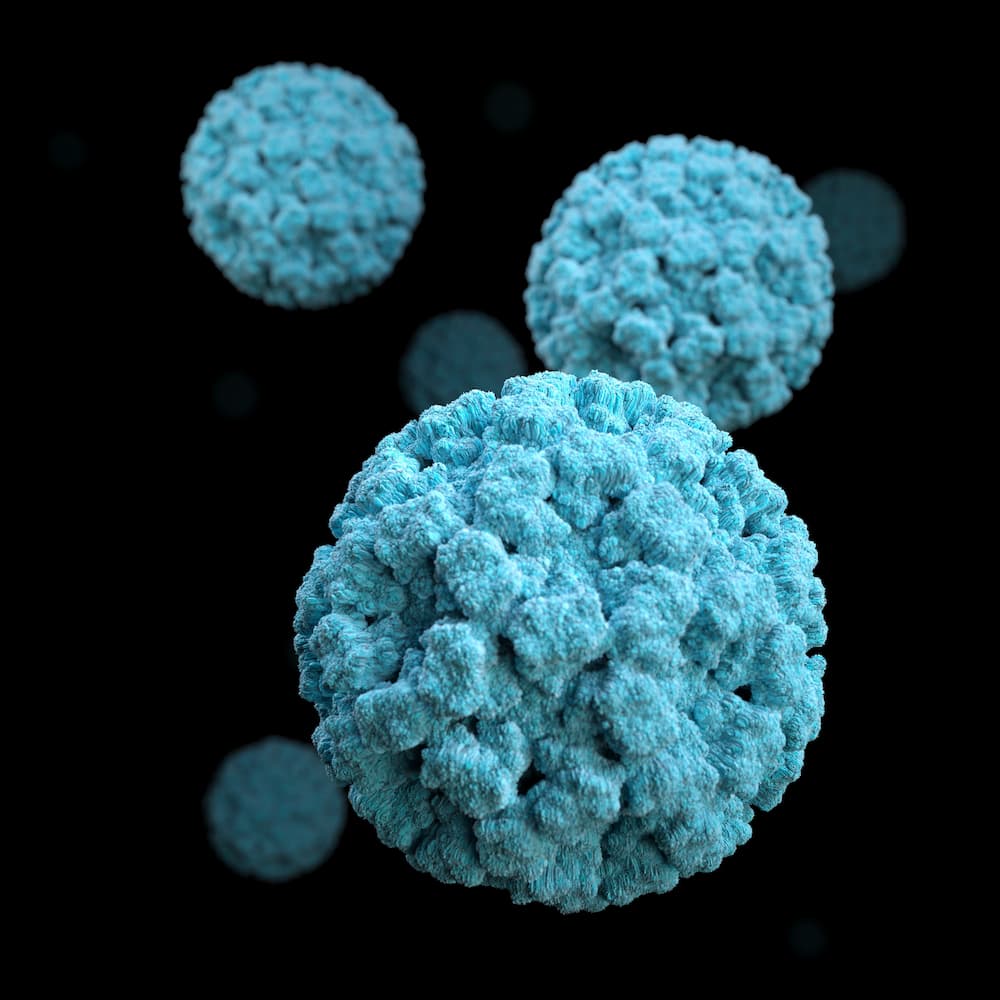
Acquired immunodeficiency syndrome (AIDS) is a disease that develops when infected with the human immunodeficiency virus (HIV). The virus affects the immune system and weakens the body’s defense against infections and disease. HIV can be transmitted through sexual contact, transfusions of contaminated blood, use of contaminated needles or sharp instruments, and from mother to child during pregnancy, childbirth and breastfeeding. AIDS can develop 2 to 15 years after infection. There is no cure for HIV infection. However, with antiretroviral treatment, the virus can be controlled, preventing transmission, and lessening its devastating effects on the body.

Some scientists believe that HIV was transmitted from monkeys to humans as early as the 1920s. The first victim of the disease was presumably a man who died in the Congo in 1959 (doctors came to this conclusion after analyzing his medical history). For the first time, the symptoms of the disease characteristic of HIV infection were described in June 1981 in the United States. In 1983, researchers from the U.S. and France described a virus that could cause HIV/AIDS. Minimum deposit casinos here.

According to the Joint United Nations Programme on HIV/AIDS, there were about 37.9 million people with HIV worldwide in 2018, of whom 1.7 million were children under the age of 15. The worst-affected region is East and Southern Africa, where about 20.6 million infected people live. The number of new HIV infections has decreased by 40% compared to 1997, when the figure peaked, from 2.9 million to 1.7 million. In Russia, since 1987, when the first case was detected, until June 30, 2019, 1.38 million HIV infections among Russian citizens were registered, of which 335,867 people died.

If there is an HIV-positive person at home

If there is an HIV-positive person at home

The HIV/AIDS problem today has affected many people in one way or another. For any person, their family and friends, the diagnosis of HIV infection is associated with a tremendous psychological shock. People living with HIV are shocked at first, and then there is a period of adaptation to their new status. Along with it, a state of hope, a burst of energy, a desire to live, is often created; they are particularly happy with the simplest things. Many HIV-positive people really do have a change in their whole lives.

And the patient’s fate will depend on how relatives and friends build their relationships if there is an HIV-infected person in the family.

HIV-positive person in the family, what is this?

It is important for the relatives of an HIV-infected person to know: HIV (immunodeficiency virus) is not transmitted through everyday life; it is possible to live with HIV for a long time and fully; HIV-infected person needs a good meal, a quiet environment, and a good rest. HIV(+) person does not need pity, stress, excessive care. An HIV-positive person has the same rights as any person.

HIV-positive person in family

If there is an HIV-infected person in the family. It is necessary to know the protection measures against HIV infection. It is possible to get infected through sexual intercourse, through blood (parenterally) and vertically (from mother to child).

Prevention of sexual transmission: avoid sexual intercourse during menstruation (it is also dangerous for the woman and her partner);

Use condoms and latex napkins for oral and anal sex; after sexual intercourse, use special solutions (antiseptics) of local action.

To prevent HIV infection through blood: use individual syringes, needles, tools, if taking drugs. Always use individual disinfected personal hygiene items (toothbrushes, razors, manicure supplies). In case of accidental cuts, injections, abrasions, avoid getting biological fluids (blood, semen, vaginal secretion, breast milk) on damaged skin and mucous membranes. In case of bleeding, help with rubber gloves.

In a home medicine cabinet you should have: ethyl alcohol 70%, iodine 50% alcohol solution, bandage, absorbent cotton, fingertips, rubber gloves; chlorine (3% or more chlorine-containing products, such as bleach “White”); hydrogen peroxide 6%.

Close people providing first aid to HIV-infected should avoid cuts and accidental injections, seal wounds with bactericidal adhesive tape, and use rubber gloves for protection. In case of emergency situation with relatives after the first aid, it is necessary to contact the medical facility within 72 hours to receive chemoprophylaxis.


To be able to help a loved one, learn as much about HIV and AIDS as possible from specialized literature. If you still have an unconscious fear of getting infected through domestic contact, talk to specialists about contingencies (for example, how to behave when a person with HIV is injured, or has contact with blood), consult on first aid, and have a first aid kit. Specialists from AIDS Centers, infectious disease offices will help you in this.


Common behavioural mistakes with HIV-positive person

Do not forget that a person and only himself should make the main decisions about how to live, how to maintain their health, how to eat and rest, who, when and how to say (or not say) about their HIV status.

Common behavioural

It is quite natural that you want to help your loved one to stay healthy. However, relatives and friends often make mistakes that can cause serious, even irreparable harm. These are the most common of these mistakes:

  • excessive guardianship and constant reminders to the person that he/she has a dangerous disease. Think about whether this behavior is dictated by your own fear or guilt. Deal with your psychological problems and try not to tolerate them on the person close to you. There is a big difference between reasonable care, which is expressed in the creation of a healthy atmosphere in the house, a timely reminder to take a medicine, the necessary care in case of illness – and obsessive care, which generates depression, alienation and feelings of helplessness. In order not to make a mistake, pay attention to the way the person close to you reacts to your care.
  • tips to refer to alternative methods of treatment. Around the world and in our country there are many healers who promise a radical cure for HIV infection and AIDS. So far there are no officially registered cases of such a cure, but there are a lot of cases when using healers has resulted in death.
  • advice to stop taking medication that causes side effects. This is especially dangerous if the patient is prescribed combined antiviral therapy: cancelling or skipping the medication will lead to the development of drug-resistant strains of the virus in the body, and this will deprive the patient of the possibility of treatment in the future.

The suffering of a loved one causes very strong both negative and positive emotions in the soul of the one who helps, and this is natural. You have to accept it calmly and not to blame yourself. The main task is not to hustle around the person with HIV, but to make him understand what you are going through together with him and understand him. It is especially important to stop helping in time, understanding that the person can cope on his or her own to restore the feeling of independence. People with HIV often worry about the imminent loss of their independence, so it is important to let them feel useful both in their daily lives and at work. The most important type of assistance is to “just be with the person,” although it is not so easy.

Conclusion

HIV infection is not only a medical problem, but first of all a social one. It is solved with the active participation of HIV-infected people themselves. The community of people living with HIV and their loved ones advocates for the rights of HIV(+) and provides mutual assistance. Such support extends his life, improves its quality.

Do not forget that support is needed not only for your loved one living with HIV/AIDS, but also for you. Try to stick together and take care of each other. AIDS service organizations are always ready to help also relatives and friends of their clients, so do not hesitate to contact them when you need to learn something or share your feelings and problems.